




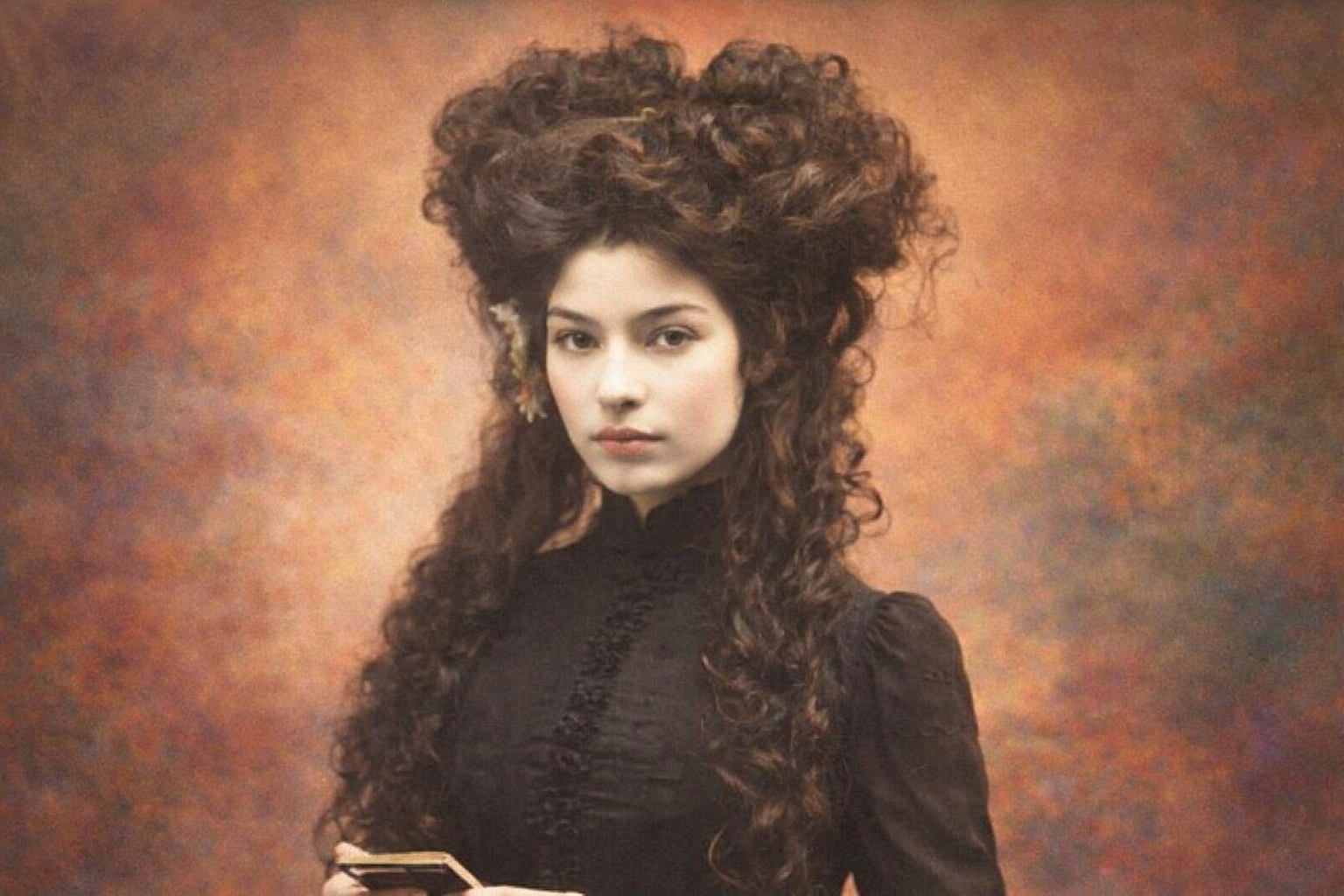
Camille Monfort Biography: The Mystery of the Amazonian Vampire Opera Singer
Camille Monfort is one of those rare historical figures whose story sits somewhere between documented reality and captivating myth. Known as a French opera singer who lived during the late 19th century, she gained recognition not only for her artistic talent but also for the strange and often dramatic stories that surrounded her life. Over time, her identity evolved from a relatively obscure performer into a mysterious cultural icon, often associated with gothic legends and supernatural rumors.
In today’s digital world, interest in Camille Monfort continues to grow as people search for unusual historical figures and untold stories. Keywords like “Camille Monfort biography,” “Amazonian vampire legend,” and “mysterious opera singer history” reflect how her story appeals to both history enthusiasts and fans of mystery. Her life is not just about music; it is about identity, rebellion, and how stories transform over time.
Early Life and Noble Heritage
Camille Monfort was reportedly born in France in 1869 into a well-connected and privileged family. Her father, believed to be a diplomat, played a key role in shaping her early life, exposing her to international environments and elite social circles. Her mother was said to have ties to French nobility, which further placed Camille within an aristocratic setting where refinement and education were highly valued.
Growing up in such an environment gave her access to high-quality education, particularly in music and languages. From a young age, she demonstrated a strong inclination toward the arts, especially singing. However, despite her privileged upbringing, Camille showed signs of independence and a desire to break away from traditional expectations. This contrast between noble upbringing and rebellious spirit would later define much of her public image.
Move to Brazil and Cultural Transformation
A major turning point in Camille Monfort’s life came when her family relocated to Brazil, specifically to the city of Belém. During the late 19th century, Belém was experiencing rapid growth due to the Amazon rubber boom, attracting European elites, artists, and entrepreneurs. This vibrant cultural environment provided Camille with new opportunities and influences.
Living in Brazil exposed her to a blend of European sophistication and local traditions, shaping her unique identity. She stood out as a French opera singer in an exotic setting, which only added to her mystique. The contrast between her European elegance and the lush, unfamiliar surroundings of the Amazon contributed to the aura that would later surround her name. This period played a crucial role in transforming her from a trained performer into a legendary figure.
Musical Training and Opera Career
Camille Monfort is believed to have received formal training at the prestigious Conservatoire de Paris, one of the most respected music schools in Europe. Her education there would have refined her vocal abilities and prepared her for a career in opera. She was often described as possessing a powerful soprano voice capable of deeply moving audiences.
Although historical documentation about her performances is limited, accounts suggest that she performed in elite circles and private events rather than maintaining a long public career. Her performances were said to be intense and emotionally charged, leaving lasting impressions on those who witnessed them. This combination of talent and mystery helped build her reputation as more than just a singer, but as a performer who could captivate and unsettle at the same time.
The Origins of the “Amazonian Vampire” Legend
One of the most fascinating aspects of Camille Monfort’s story is the origin of her nickname, the “Amazonian Vampire.” This title did not come from any verified supernatural activity but rather from rumors and interpretations of her unusual behavior and appearance. Her pale complexion, preference for nighttime activities, and enigmatic personality contributed to the spread of these stories.
In the cultural context of 19th-century Brazil, where folklore and superstition were deeply rooted, it was not uncommon for unusual individuals to become the subject of myth. Camille’s European background and unconventional lifestyle made her an easy target for such narratives. Over time, these rumors grew into elaborate legends, blending gothic imagination with fragments of reality and turning her into a figure of mystery.
Lifestyle, Personality, and Social Defiance
Camille Monfort was widely known for living a life that challenged the norms of her time. In an era when women were expected to follow strict social rules, she displayed independence and confidence that many found shocking. She was rumored to have relationships with influential men and to maintain control over her personal and financial life, which was highly unusual for women of that period.
Her lifestyle choices, including lavish habits and a bold public presence, contributed to her controversial reputation. Stories of extravagant behavior, such as luxurious gatherings and unconventional routines, circulated widely. While some admired her as a symbol of freedom and individuality, others viewed her as scandalous. This dual perception only deepened her mystique and ensured that her name would not be easily forgotten.
Illness and Untimely Death
Camille Monfort’s life was tragically cut short in 1896 during a cholera epidemic in Belém. She was only 27 years old at the time of her death. Cholera outbreaks were common in the region during that era, and many lives were lost due to limited medical knowledge and resources.
Her early death played a significant role in shaping her legend. When a person dies young, especially under dramatic circumstances, their story often becomes romanticized. In Camille’s case, the lack of detailed records and the presence of existing rumors created fertile ground for myths to grow. Some later stories even questioned the circumstances of her death, adding further intrigue to her already mysterious life.
Myth, Speculation, and Historical Debate
The story of Camille Monfort has sparked ongoing debate among historians and enthusiasts. While there is some evidence supporting her existence as a real person, many details about her life remain uncertain. Over time, her story has been retold in different ways, with each version adding new layers of drama and speculation.
Some researchers argue that parts of her story may have been exaggerated or even fabricated, possibly as a form of entertainment or local folklore. Others believe that she was a real individual whose life was gradually transformed into legend through storytelling. This uncertainty has only increased public interest, as people continue to search for the truth behind her story.
Cultural Impact and Modern Rediscovery
In recent years, Camille Monfort has gained renewed attention through online platforms, blogs, and social media. Her story fits perfectly within modern interests in gothic history, mysterious women, and forgotten historical figures. As a result, she has become a popular subject in niche communities that explore unusual and lesser-known stories from the past.
Her legacy is not tied to a large body of work or widely recognized achievements, but rather to the powerful narrative that surrounds her. She represents a blend of art, mystery, and rebellion, making her a compelling figure for modern audiences. The continued fascination with her story highlights how history and imagination can intertwine to create lasting cultural icons.
Why Camille Monfort’s Story Endures
The enduring appeal of Camille Monfort lies in the unique combination of fact and fiction that defines her story. She was a talented opera singer, a woman ahead of her time, and a figure surrounded by mystery. These elements come together to create a narrative that continues to capture the imagination of those who encounter it.
Her story also reflects broader themes, such as the role of women in history, the power of storytelling, and the way myths are created. In an age where information is constantly being rediscovered and reinterpreted, Camille Monfort remains relevant because her story is open to interpretation. Each generation finds new meaning in her life, ensuring that her legacy continues to evolve.
Read More ; Katya Adler Weight Loss: The Truth Behind the Rumors, Her Health, and Lifestyle
Final Thoughts on Camille Monfort
Camille Monfort is more than just a historical figure; she is a symbol of how stories can transcend time and reality. Whether viewed as a real opera singer, a misunderstood woman, or a mythical character shaped by folklore, her presence in cultural memory is undeniable. Her life reminds us that history is not always clear-cut and that the line between truth and legend is often blurred.
As interest in unique and lesser-known historical figures continues to grow, Camille Monfort stands out as a fascinating example of how a life can be transformed into legend. Her story invites curiosity, encourages exploration, and leaves us with questions that may never be fully answered. In the end, it is this mystery that ensures she will continue to captivate audiences for years to come.