




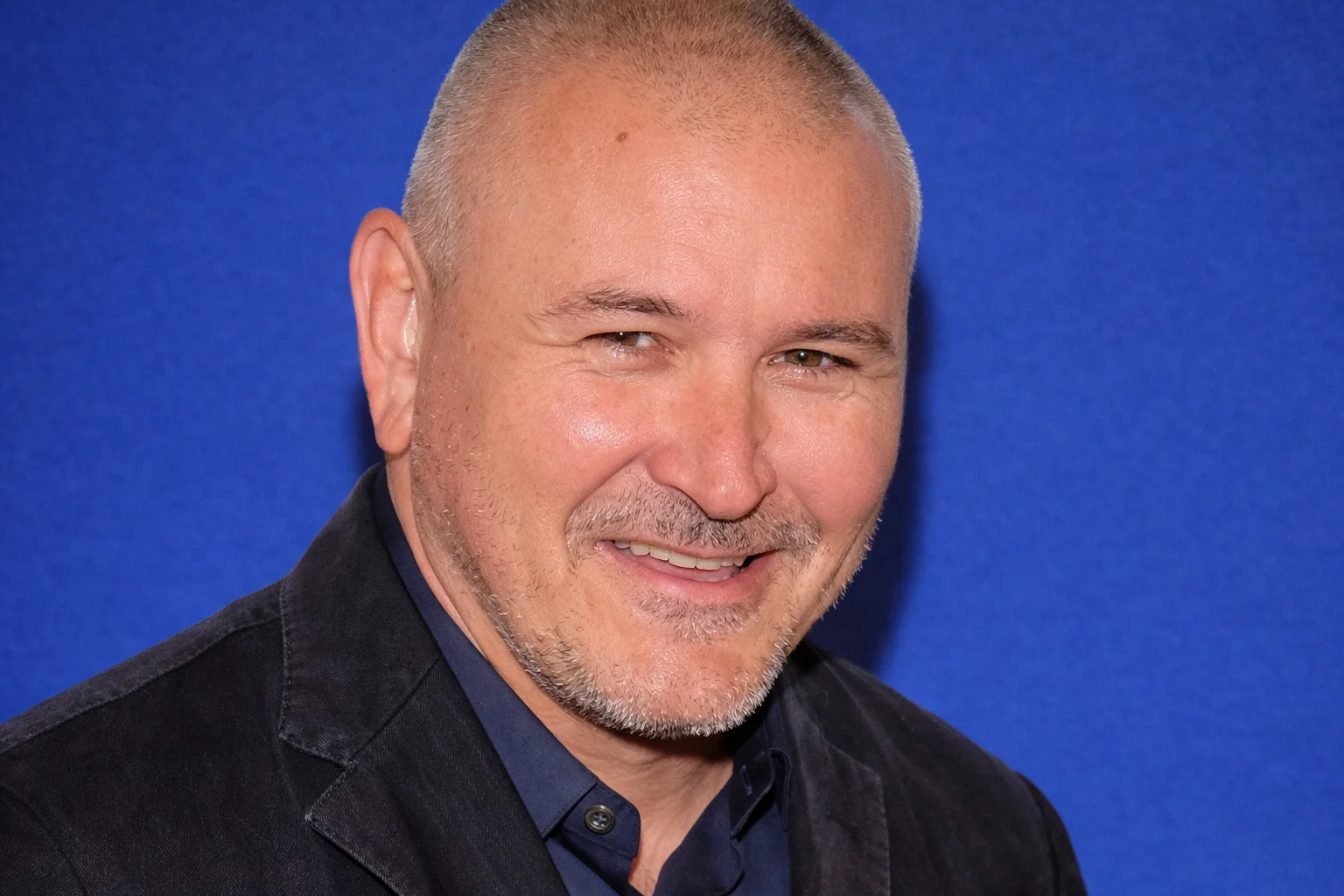
Tim Miller Net Worth 2026: Income, Career, Deadpool Success & Wealth Analysis
Tim Miller is a name that has steadily gained recognition in Hollywood, not just for blockbuster filmmaking but also for his deep roots in animation and visual effects. Unlike many directors who follow a traditional path through film schools or assistant roles, Miller carved out his place in the industry by mastering technical artistry first. This unconventional journey has made his financial story just as compelling as his creative one.
The topic of Tim Miller’s net worth has become increasingly popular as audiences grow curious about how filmmakers earn money behind the scenes. While actors often dominate headlines with massive paychecks, directors like Miller build wealth through a combination of salaries, production deals, and long-term business ventures. His career offers a clear example of how persistence and diversification can shape financial success in entertainment.
In this article, we explore Tim Miller’s net worth in depth, examining his career milestones, income sources, and future potential. From modest beginnings to directing global hits, his story reflects both the challenges and rewards of working in a highly competitive industry.
Tim Miller Net Worth in 2026
As of 2026, Tim Miller’s net worth is generally estimated to fall between $10 million and $20 million. While this range may seem broad, it reflects the reality that many entertainment industry earnings are not fully public. Directors often earn through complex deals that include backend profits, royalties, and production ownership, making exact figures difficult to pin down.
What makes Miller’s financial position interesting is that it is not built on a single blockbuster payday. Instead, his wealth has grown steadily through multiple streams, including directing, producing, and running a successful visual effects company. This layered approach provides more stability compared to relying solely on film salaries.
It is also important to understand that net worth is not just about cash earnings. Much of Miller’s value is tied to his business assets and intellectual property, particularly his involvement in animation and production ventures. These long-term assets continue to generate income and contribute to his overall financial standing.
Early Life and Career Foundations
Before becoming a Hollywood director, Tim Miller started his journey in the world of animation and visual effects. He co-founded Blur Studio in the mid-1990s, a company that would later become one of the most respected names in CGI and cinematic production. This early move laid the groundwork for both his creative identity and financial future.
In the beginning, Miller’s earnings were relatively modest. Like many entrepreneurs in creative industries, he focused more on building expertise and reputation than immediate profit. This phase of his career was crucial, as it allowed him to develop technical skills that would later set him apart from traditional directors.
His work at Blur Studio included creating high-quality visual effects for films, commercials, and video games. These projects helped him establish strong industry connections, which eventually opened doors to directing opportunities. This transition marked the turning point where his career—and income—began to expand significantly.
Breakthrough with Deadpool
Tim Miller’s big break came with the release of Deadpool in 2016. The film became a global phenomenon, earning over $780 million worldwide and redefining expectations for superhero movies. Its success was driven by its unique tone, humor, and willingness to break traditional storytelling rules.
Despite the film’s massive box office performance, Miller’s personal earnings from Deadpool were surprisingly modest. Reports suggest he earned a relatively small directing fee compared to the film’s overall revenue. This highlights a common reality in Hollywood, where first-time directors on major projects often accept lower pay in exchange for opportunity.
However, the real value of Deadpool for Miller was not immediate financial gain but long-term career impact. The film elevated his status in the industry, making him a sought-after director and opening the door to higher-paying projects. This shift played a major role in increasing his net worth over time.
Major Projects Beyond Deadpool
After the success of Deadpool, Tim Miller went on to direct Terminator: Dark Fate, a high-profile addition to a legendary franchise. While the film received mixed reviews, it demonstrated Miller’s ability to handle large-scale productions and work with major studios.
In addition to film directing, Miller also made a significant impact in television with Love, Death & Robots. As a creator and executive producer, he helped bring innovative storytelling and cutting-edge animation to a global audience. The series received critical acclaim and multiple awards, further strengthening his reputation.
These projects contributed not only to Miller’s income but also to his brand as a filmmaker. By working across different formats—film, television, and animation—he expanded his reach and created more opportunities for financial growth.
Blur Studio and Business Ventures
A major component of Tim Miller’s net worth comes from Blur Studio, the company he co-founded. Unlike many directors who rely solely on freelance work, Miller benefits from owning a business that consistently generates revenue. Blur Studio specializes in visual effects, animation, and cinematic sequences for major clients in both film and gaming industries.
The studio’s work includes high-end CGI projects that require advanced technical expertise. This niche positioning allows it to command premium pricing, making it a reliable source of income. For Miller, this means financial stability even during periods when he is not actively directing films.
Ownership of a production company also provides long-term financial advantages. Instead of earning a one-time fee, Miller can benefit from ongoing projects, partnerships, and intellectual property rights. This business model plays a significant role in sustaining and growing his overall net worth.
Income Streams and Earnings Breakdown
Tim Miller’s earnings come from multiple sources, which is a key reason for his steady financial growth. His primary income includes directing fees from films and television projects. These fees can vary widely depending on the budget and scope of the project.
Another important source of income is producing. As a producer, Miller earns from overseeing projects and sometimes receives a share of profits. This role allows him to be involved in multiple productions simultaneously, increasing his earning potential.
In addition, royalties and licensing deals contribute to his income. Projects like Love, Death & Robots continue to generate revenue through streaming platforms, adding to his long-term financial stability. This combination of active and passive income streams makes his financial profile more resilient.
Financial Growth and Career Evolution
Tim Miller’s financial journey reflects a gradual but consistent upward trajectory. In the early stages of his career, his earnings were limited, but he invested heavily in building his skills and business. This long-term approach eventually paid off as he transitioned into directing major projects.
The success of Deadpool marked a turning point, significantly increasing his market value. After that, he was able to negotiate better contracts and take on more ambitious projects. This shift played a crucial role in boosting his net worth.
Over time, Miller has diversified his career to include directing, producing, and running a business. This evolution has allowed him to reduce reliance on any single income source, ensuring more stable and sustainable financial growth.
Lifestyle and Asset Management
Unlike many Hollywood figures, Tim Miller maintains a relatively low-profile lifestyle. There is little public information about extravagant spending, suggesting that he prioritizes reinvestment in his work and business ventures over luxury.
A significant portion of his wealth is tied to business assets, particularly Blur Studio. This means his financial value is not just based on liquid cash but also on the worth of his company and its ongoing projects. Such assets can appreciate over time, contributing to long-term wealth.
His approach to wealth management appears practical and focused. By channeling resources into creative and business opportunities, Miller ensures that his financial growth aligns with his professional goals.
Future Outlook and Net Worth Potential
Looking ahead, Tim Miller’s net worth is expected to continue growing as he remains active in the entertainment industry. The demand for directors with strong visual storytelling skills is higher than ever, especially with the expansion of streaming platforms.
His involvement in both film and animation gives him a unique advantage. He is not limited to a single format, allowing him to explore diverse projects and revenue streams. This flexibility increases his potential for future earnings.
If he continues to take on successful projects and expand his business ventures, Miller’s net worth could rise significantly in the coming years. His career trajectory suggests that he has not yet reached his peak, making him a figure to watch in Hollywood.
Read More ; Elmer Heinrich Net Worth 2026: The Complete Truth and Are There Reliable Data?
Conclusion
Tim Miller’s net worth is a reflection of a career built on innovation, persistence, and strategic growth. From his early days in visual effects to directing blockbuster films, he has steadily increased his financial standing through a combination of talent and smart decision-making.
What sets Miller apart is his diversified approach to earning. By balancing directing, producing, and business ownership, he has created a stable and sustainable financial model. This approach not only supports his current net worth but also positions him for continued growth.
In the end, Tim Miller’s story highlights that success in the entertainment industry is rarely instant. It is the result of years of effort, calculated risks, and continuous evolution. As he continues to shape modern filmmaking, his net worth is likely to grow alongside his influence.