




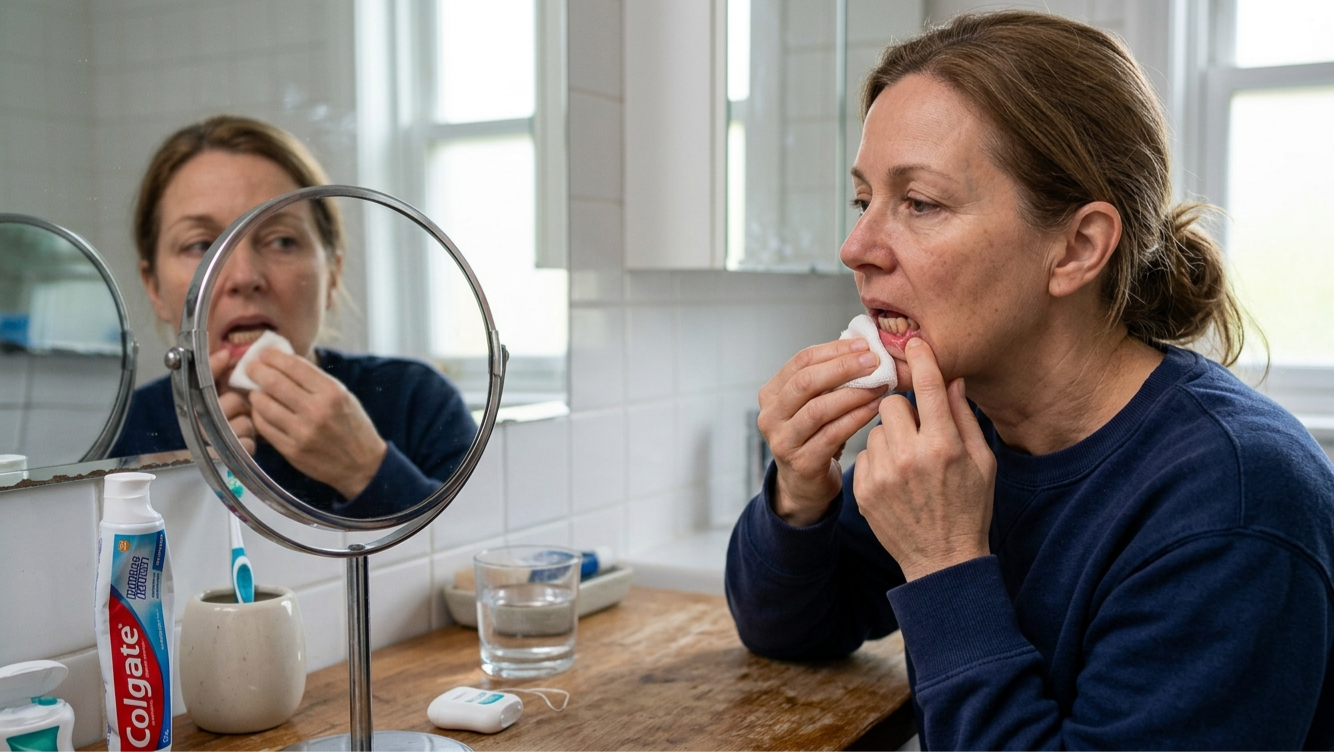
How to Tighten a Loose Tooth at Home Safely | Causes & Treatments Guide
A loose tooth can be unsettling, especially when it happens unexpectedly. For children, it’s a natural part of growing up. But for adults, a loose tooth often signals an underlying problem that needs attention. Many people immediately look for ways to tighten a loose tooth at home, hoping to avoid a dental visit or find a quick solution.
While there are several home remedies that can help support gum health and reduce further damage, it’s important to understand that not all loose teeth can be “fixed” at home. In many cases, the goal is to stabilize the tooth, reduce inflammation, and prevent worsening until professional care is available. This article explores the causes, safe home practices, and realistic expectations so you can protect your oral health effectively.
What Causes a Loose Tooth in Adults
In adults, a loose tooth is rarely normal and usually points to an underlying issue. One of the most common causes is gum disease, which gradually weakens the tissues and bone that hold your teeth in place. When plaque and bacteria build up along the gumline, they can lead to inflammation, infection, and eventually tooth mobility.
Other causes include trauma or injury, such as a fall or a blow to the face, which can loosen a tooth instantly. Teeth grinding, also known as bruxism, puts constant pressure on teeth and can weaken their support over time. Hormonal changes, especially during pregnancy, can also temporarily affect the stability of teeth by altering the tissues around them.
Understanding Whether a Loose Tooth Can Be Tightened at Home
Many people assume that a loose tooth can simply be tightened with home remedies, but this is only partially true. If the looseness is mild and caused by temporary inflammation, proper care at home may help the tooth feel more stable over time. However, if the issue involves bone loss or advanced gum disease, home treatment alone will not be enough.
The purpose of home care is to create a healthy environment for your gums and prevent further damage. It can reduce swelling, control bacteria, and support healing. But it cannot rebuild bone or fully restore the structures that hold a tooth in place. Understanding this distinction helps you take the right steps without relying on unrealistic expectations.
The Role of Salt Water Rinse in Gum Healing
A warm salt water rinse is one of the simplest and most effective remedies you can use at home. Salt has natural antibacterial properties that help reduce harmful bacteria in the mouth. It also soothes inflamed gums and supports the healing process.
Regular rinsing can help decrease swelling around the loose tooth, which may improve how stable it feels. This is especially helpful if gum irritation is contributing to the looseness. While it won’t physically tighten the tooth, it strengthens the surrounding tissues and creates better conditions for recovery.
Improving Oral Hygiene to Support Tooth Stability
Maintaining excellent oral hygiene is essential when dealing with a loose tooth. Brushing twice a day removes plaque that can weaken gums and lead to further damage. Flossing carefully helps clean between teeth where bacteria often hide.
However, it’s important to be gentle around the affected tooth. Aggressive brushing or snapping floss can irritate the gums and worsen the problem. Using a soft-bristled toothbrush and a mild antibacterial mouthwash can help keep your mouth clean without causing additional stress to the tooth.
Dietary Changes That Protect a Loose Tooth
What you eat has a direct impact on the health of your teeth and gums. When dealing with a loose tooth, avoiding hard, crunchy, or sticky foods is crucial. These types of foods can put extra pressure on the tooth and make it more unstable.
Instead, choosing soft foods like soups, yogurt, mashed vegetables, and smoothies can help reduce strain. Nutrients such as calcium and vitamin D are also important because they support bone health. A balanced diet not only protects the loose tooth but also strengthens your overall oral health.
Avoiding Habits That Make Tooth Looseness Worse
Certain everyday habits can worsen a loose tooth without you realizing it. Teeth grinding is a major contributor, as it places excessive force on the teeth, especially during sleep. Nail-biting and chewing on hard objects like pens can also increase pressure and damage the supporting structures.
Another common mistake is constantly touching or wiggling the loose tooth with your tongue or fingers. While it might feel tempting, this can irritate the surrounding tissues and delay healing. Being mindful of these habits can prevent further loosening and give your tooth a better chance to stabilize.
Natural Remedies and What They Can Actually Do
There are many natural remedies suggested for tightening loose teeth, including oil pulling and herbal rinses. Oil pulling involves swishing oil in the mouth to reduce bacteria, while herbal rinses use plant-based ingredients believed to support gum health.
These methods can improve oral hygiene and reduce inflammation, but they should not be seen as a cure. Scientific evidence supporting their ability to tighten a loose tooth is limited. They work best as complementary practices alongside proper dental care, not as a replacement for it.
When a Loose Tooth Becomes a Serious Problem
A loose tooth should never be ignored, especially if it’s accompanied by symptoms like pain, bleeding gums, or swelling. These signs often indicate an infection or advanced gum disease that requires professional treatment.
If the tooth becomes increasingly loose or starts affecting your ability to chew, it’s important to seek help promptly. Delaying treatment can lead to further damage, including permanent tooth loss. Early action significantly increases the chances of saving the tooth.
Professional Treatments That Provide Real Solutions
While home care plays an important role, professional dental treatments are often necessary to truly stabilize a loose tooth. Dentists can perform deep cleaning procedures to remove bacteria from below the gumline, allowing the gums to heal and reattach.
In some cases, the tooth may be splinted, which means it is bonded to neighboring teeth for support. More advanced treatments, such as surgery or bone grafting, may be required if there has been significant damage to the supporting structures. These procedures address the root cause and provide long-term stability.
Final Thoughts
Trying to tighten a loose tooth at home is understandable, but it’s important to approach the situation with realistic expectations. Home remedies like salt water rinses, good oral hygiene, and dietary adjustments can help protect your tooth and prevent further damage. However, they are not a substitute for professional care when the problem is serious.
The key is to act early and combine supportive home care with timely dental treatment when needed. A loose tooth is often a warning sign, not just a minor inconvenience. By taking the right steps, you can improve your chances of saving the tooth and maintaining a healthy, confident smile for years to come.
Read More : Willow Hammond Biography: Life, Family, Education & Private Lifestyle of Richard Hammond’s Daughter